Slow Play Font: A Versatile Display Typeface for Creative Projects
When it comes to choosing a font that balances modern aesthetics with a touch of cuteness, Slow Play emerges as a strong contender. Designed as a display typeface, Slow Play brings a playful and approachable tone to visual designs, making it especially suitable for creative applications such as posters, logos, book covers, and magazine layouts. Its unique character set and clean lines allow for a wide range of uses, though it may not be the best fit for every design scenario.
What Is Slow Play?
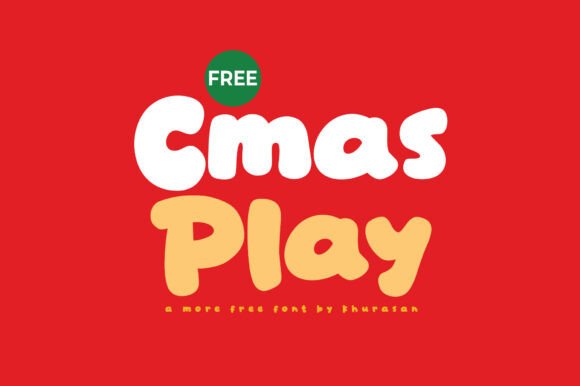
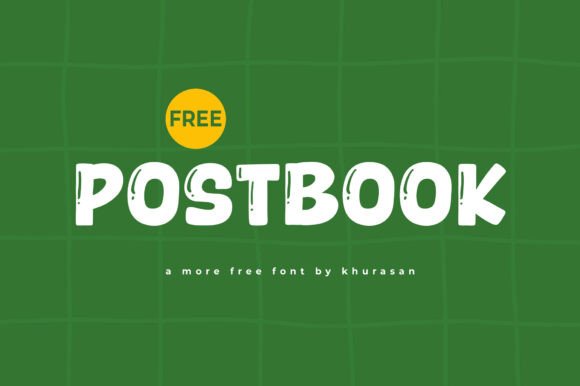
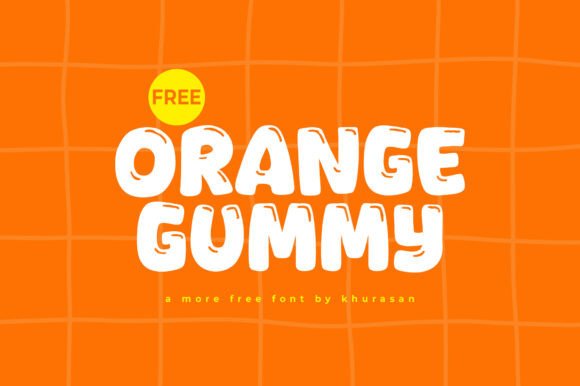
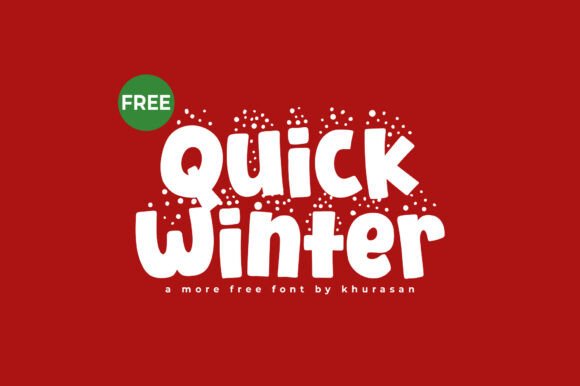
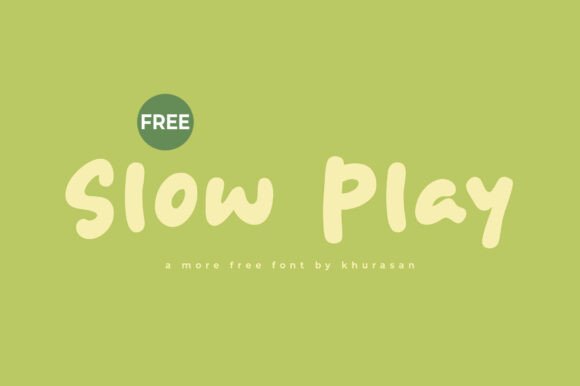
Slow Play is a modern display font characterized by its rounded edges, soft curves, and slightly whimsical appearance. Unlike traditional serif or sans-serif fonts designed for long-form readability, Slow Play is crafted for visual impact. It excels in short bursts of text—such as headlines, branding elements, or logo designs—where personality and aesthetic appeal are key. The font is typically available in multiple weights and styles, allowing designers to maintain consistency across different applications.
Why Consider Slow Play?
Designers and creators often look for typefaces that can convey a specific tone without compromising legibility. Slow Play achieves this by combining a friendly appearance with a clean, contemporary structure. It’s particularly appealing when the goal is to create a warm, inviting, or youthful impression. Whether you're designing a children's book cover, a boutique logo, or an event poster, Slow Play can help set the right emotional tone.
Key Benefits of Using Slow Play
- Visual Appeal: The rounded, soft design of Slow Play makes it visually engaging and easy on the eyes, especially in digital or print media aimed at younger audiences.
- Versatility: Despite being a display font, it can be used across a wide range of design formats including logos, social media graphics, packaging, and signage.
- Brand Personality: It helps establish a distinct brand voice—ideal for businesses or creative projects that want to appear approachable, modern, and unique.
- Easy Integration: Most versions of Slow Play are designed to work seamlessly with common design software like Adobe Photoshop, Illustrator, and Canva.
Considerations and Tradeoffs
While Slow Play offers many benefits, it's important to understand its limitations. As a display font, it is not optimized for long blocks of text. Using it in body copy or technical documentation may reduce readability and user engagement. Additionally, its distinctive style may not align with more formal or corporate design needs where a minimalist or professional tone is preferred.
Another consideration is licensing. Not all versions of Slow Play are free for commercial use, so it's important to verify the licensing terms before incorporating it into client work or products intended for resale. Always ensure that the font source is reputable and that the appropriate usage rights are obtained.
When Slow Play Is a Strong Fit
Slow Play shines in projects where visual style and emotional resonance are more important than dense text. It works particularly well in the following scenarios:
- Branding for Lifestyle or Creative Businesses: Cafés, boutiques, toy stores, and creative studios can benefit from its playful and personable look.
- Print and Digital Marketing Materials: From flyers to Instagram stories, Slow Play adds a modern touch that can help content stand out.
- Book and Album Covers: The font’s aesthetic appeal makes it a great choice for artistic or narrative-driven covers.
- UI/UX Design for Apps: Especially in apps targeting younger audiences or those with a casual, fun interface.
When Alternatives May Be Better
Despite its charm, Slow Play may not be suitable for every project. In more formal contexts—such as legal documents, academic papers, or corporate branding—a more neutral or traditional font may be more appropriate. For example, serif fonts like Georgia or sans-serif fonts like Helvetica are often preferred for their timelessness and readability in long-form content.
Additionally, if your design requires multilingual support or special typographic features like ligatures or alternate characters, it's worth checking whether Slow Play includes those options. Some display fonts may lack extended language support or advanced typographic features, which could limit their usability in international or complex design projects.
Making the Right Choice
Deciding whether to use Slow Play should come down to the specific goals of your design project. Ask yourself the following questions:
- Is the font appropriate for the tone and audience of the design?
- Will it be used primarily in headlines or short text rather than long paragraphs?
- Does it align with the overall visual identity you're trying to build?
- Are there any technical or licensing limitations that might affect its use?
If the answers align with the strengths of Slow Play, it can be a powerful tool in your design toolkit. However, if your project requires a more formal, functional, or universally readable typeface, exploring alternatives may be the better path.
Conclusion
Slow Play is a modern and expressive display font that offers a fresh aesthetic for creative design projects. Its ability to convey warmth and personality makes it a valuable option for branding, marketing, and artistic applications. However, like any design choice, it should be evaluated based on the specific needs of the project. By understanding its strengths and limitations, designers can make informed decisions about when and how to incorporate Slow Play effectively into their work.