Quick Winter: A Versatile Display Font for Creative Projects
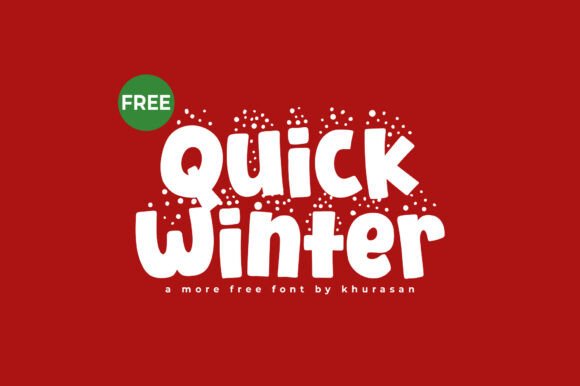
Designers and content creators are always looking for fonts that bring personality without compromising usability. Quick Winter stands out as a modern, cute display font that blends charm with functionality. Whether you're working on branding, editorial design, or digital marketing assets, this font offers a distinctive visual tone that enhances your creative output. Understanding how to integrate Quick Winter into your workflow can improve both the aesthetics and effectiveness of your projects.
Understanding Quick Winter in the Design Workflow
Quick Winter is more than just a decorative typeface — it's a strategic design choice that can elevate the visual hierarchy of your content. As a display font, it's best suited for headlines, titles, and short bursts of text where readability and impact matter most. It works well in both print and digital formats, making it a flexible asset across multiple platforms.
From a process standpoint, Quick Winter fits naturally into the early stages of layout design. When sketching out a visual direction, selecting a font like Quick Winter can help define the tone before diving into detailed composition. Its clean yet playful appearance makes it ideal for brands or projects aiming to convey warmth, approachability, and modernity.
Using Quick Winter Across Creative Stages
Depending on your project, Quick Winter can be introduced at different stages of the creative process. In the planning phase, it can serve as a visual reference to guide color schemes, layout spacing, and overall design direction. During the execution phase, it becomes a key element in branding materials, marketing assets, and packaging designs. Even in post-production, Quick Winter can enhance infographics, social media overlays, and presentation slides.
For example, a small business owner designing a holiday promotion might use Quick Winter in logo variations and banner headers. A blogger creating seasonal content might integrate the font into featured images and article titles to maintain a cohesive visual theme. In both cases, Quick Winter supports the message while maintaining visual clarity and emotional appeal.
Integration with Other Design Tools and Assets
One of the strengths of Quick Winter is its compatibility with common design software and platforms. Whether you're using Adobe Photoshop, Illustrator, Canva, or Figma, this font imports smoothly and maintains its quality across different environments. It's also web-safe in most cases, especially when embedded through services like Google Fonts or Adobe Fonts, allowing for consistent use in both static and dynamic web projects.
When combining Quick Winter with other fonts, it's best to pair it with simpler sans-serif or serif typefaces to maintain balance. For instance, using it alongside a clean sans-serif like Open Sans or Lato ensures readability while allowing Quick Winter to shine as the visual highlight. This kind of typographic pairing supports both hierarchy and usability, especially in multi-layered designs.
Practical Tips for Implementing Quick Winter
Integrating Quick Winter into your design workflow requires attention to detail and consistency. Here are several practical tips to ensure smooth implementation:
- Use it sparingly: As a display font, Quick Winter works best in short text blocks. Avoid using it for long paragraphs or body copy to maintain readability.
- Check spacing and alignment: Due to its rounded and slightly whimsical character shapes, it may require minor adjustments in kerning or tracking to ensure optimal visual balance.
- Test across formats: Before finalizing a design, test how Quick Winter appears on different devices and print outputs. This ensures that the font maintains clarity and impact in all contexts.
- Maintain brand consistency: If you're using Quick Winter as part of a brand identity, establish clear usage guidelines for headings, subheadings, and promotional materials.
Workflow Examples Using Quick Winter
Consider a freelance designer working on a client’s book cover. The client wants a youthful, cozy aesthetic that appeals to readers of young adult fiction. The designer selects Quick Winter for the title treatment, pairing it with a soft serif font for the author name and subtitle. This combination creates a warm, inviting cover that aligns with the genre while maintaining readability at a distance.
In another example, a small business owner is preparing a seasonal email campaign. They use Quick Winter for the subject line and header text in the email template, ensuring the font is embedded correctly for cross-client compatibility. The font adds a touch of personality without overwhelming the message, making the campaign feel more engaging and approachable.
Long-Term Use and Efficiency Considerations
When selecting fonts for ongoing projects, it's important to consider long-term usability. Quick Winter is a good choice for brands or creators who want a consistent visual voice across seasonal or thematic content. Its versatility makes it suitable for multiple campaigns, from holiday promotions to editorial features.
However, to maintain efficiency, it's wise to organize your font library and keep track of licensing agreements. Quick Winter is typically available through standard font marketplaces, so make sure you have the appropriate usage rights for commercial or personal projects. Storing the font files in a centralized asset folder also helps streamline access and ensures consistency across team members or collaborators.
Quality Control and Consistency
As with any design asset, maintaining consistency in how Quick Winter is used across different media is key. Establish a style guide that outlines when and how to use the font, including recommended sizes, colors, and spacing. This is especially important for teams or clients who may not be directly involved in the design process but still need to apply the font correctly.
Additionally, perform regular quality checks to ensure that Quick Winter renders correctly across platforms. If you're embedding the font in a website or app, test it on multiple browsers and devices to confirm that it appears as intended. Small adjustments in font-weight or line-height can make a big difference in maintaining clarity and visual appeal.
Conclusion
Quick Winter is a valuable addition to any designer's toolkit, offering a blend of modern charm and functional design. Whether you're creating a logo, designing a poster, or developing digital content, this font enhances your creative expression while maintaining readability and professionalism. By understanding how to integrate Quick Winter into your workflow — from planning to execution and long-term use — you can ensure that your designs remain both visually engaging and strategically effective.