Simple Point: A Cheerful Font for Creative and Child-Friendly Designs
Understanding the Unique Appeal of Simple Point
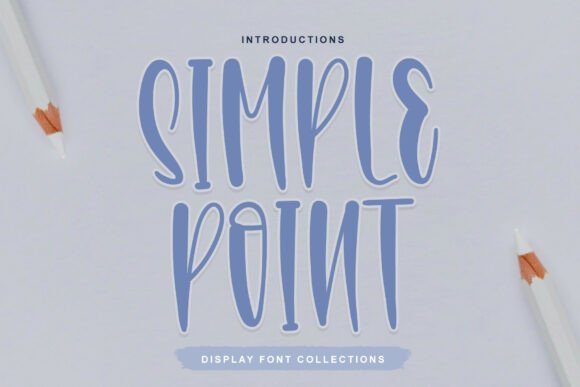
Typography plays a crucial role in shaping the tone and readability of any design. Among the vast array of fonts available to designers, Simple Point stands out as a display font that radiates fun and personality. Designed with rounded edges and a slightly bouncy baseline, it brings a sense of playfulness to any project it's used in. While many fonts aim for elegance or minimalism, Simple Point embraces a more whimsical approach, making it ideal for content aimed at children or for brands that want to convey joy and creativity.
Its distinctiveness lies not only in its visual charm but also in how it performs across different design contexts. Whether used in digital illustrations, print media, or web banners, Simple Point maintains a clear and engaging presence. This makes it a versatile choice for designers who want to communicate lightheartedness without sacrificing legibility.
Why Simple Point Works Well for Children's Themed Projects
When designing for children, visual appeal is just as important as functionality. Young audiences are naturally drawn to bright colors, exaggerated shapes, and soft, friendly fonts. Simple Point fits this criteria perfectly. Its rounded letterforms and open spacing make it easy for children to recognize letters, even at smaller sizes. This is especially useful in educational materials, storybooks, and interactive apps designed for early learners.
- Soft, rounded edges reduce visual fatigue for young readers.
- High legibility supports early literacy development.
- Bold character shapes make it ideal for playful headlines and labels.
Designers often pair Simple Point with vibrant color palettes to enhance the overall mood of the project. For instance, a birthday invitation using this font in hot pink or electric blue immediately signals fun and celebration. In educational settings, combining it with pastel backgrounds can create a calm yet engaging environment that encourages learning through play.
Applications Beyond Childhood: Where Else Does Simple Point Shine?
While Simple Point is commonly associated with children's content, its cheerful demeanor makes it suitable for a broader range of creative applications. Brands that want to project a friendly, approachable image can benefit from incorporating this font into their visual identity. For example, cafes, toy stores, and wellness brands often use playful typography to appeal to a wide audience.
- Marketing materials – Flyers, posters, and social media graphics gain a youthful edge.
- Mobile apps – User interfaces with a fun tone, especially in gaming or learning apps for all ages.
- Product packaging – Especially for products targeting a younger demographic or those with a retro-fun aesthetic.
Even in more mature contexts, Simple Point can be used effectively when balanced with more neutral fonts. For instance, a tech startup might use it for a playful call-to-action button while keeping body text in a clean sans-serif. This contrast helps maintain professionalism while injecting a bit of personality into the design.
Technical Characteristics That Make Simple Point Stand Out
From a technical standpoint, Simple Point is designed with several features that enhance its readability and adaptability:
- Consistent stroke width – Ensures clarity even in smaller sizes.
- Open counters – The inner spaces of letters like 'o' and 'e' are large, aiding legibility.
- Optimized spacing – Letter spacing is carefully adjusted to prevent crowding, especially in all-caps usage.
These characteristics make it a reliable choice for both print and digital media. Whether used in a printed children's book or on a website banner, Simple Point maintains its charm and readability across different mediums and screen resolutions.
Best Practices for Using Simple Point in Design Projects
Like any display font, Simple Point is most effective when used thoughtfully. Here are some practical tips for incorporating it into your designs:
Use It Sparingly
Due to its distinctive character, Simple Point works best as a headline or accent font rather than for long blocks of text. Using it in moderation ensures that it enhances the design rather than overwhelming it.
Pair It With Complementary Fonts
For body text or secondary information, pair Simple Point with a clean, readable sans-serif or serif font. This creates visual contrast and maintains readability throughout the design.
Consider the Context
Always evaluate whether the tone of Simple Point aligns with the overall message of your project. While it’s perfect for playful and informal designs, it may not be appropriate for formal or corporate contexts.
Real-World Examples of Simple Point in Action
Across the web and in print, Simple Point has found a home in a variety of creative industries. For example:
- A children’s YouTube channel uses it for animated thumbnails and video titles, creating a consistent and recognizable brand identity.
- A local bakery incorporates the font into its packaging and social media posts, reinforcing a friendly and whimsical brand voice.
- An educational app developer selects Simple Point for interactive elements and game titles to engage young users.
These examples highlight how versatile the font can be when used in the right context. It’s not just about aesthetics—it's about creating a user experience that feels intuitive and emotionally engaging.
Choosing the Right Color Palette for Simple Point
One of the most effective ways to enhance the impact of Simple Point is by pairing it with the right colors. Since the font already carries a playful tone, selecting colors that amplify that energy can make a big difference.
- Bright and bold colors – Red, yellow, and electric blue work well for attention-grabbing headlines.
- Pastel tones – Soft pinks, blues, and greens create a gentle, approachable feel, especially for baby or toddler-related content.
- Contrast with neutrals – Pairing Simple Point with white, gray, or black backgrounds ensures readability without losing its charm.
Designers should also consider accessibility standards when choosing color combinations. Ensuring sufficient contrast between text and background is essential for readability, especially on digital platforms.
Final Thoughts on Leveraging Simple Point in Design
In the world of typography, Simple Point offers a refreshing alternative to more conventional fonts. Its playful yet readable design makes it a go-to choice for designers aiming to evoke joy and creativity. Whether used in children’s media, branding, or digital interfaces, this font brings a unique personality that resonates with diverse audiences.
By understanding its strengths and applying it with intention, designers can harness the full potential of Simple Point to create visually engaging and emotionally impactful designs. As with any design element, the key lies in balance—using the font where it adds the most value while ensuring clarity and usability remain intact.