Exploring Toony Puff: A Cheerful Display Font for Playful Designs
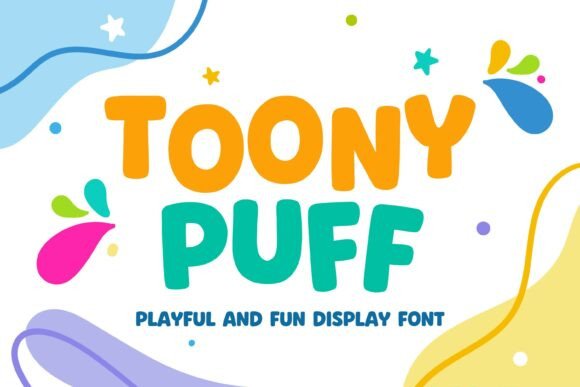
When it comes to selecting the right font for a design project, especially one aimed at younger audiences or lighthearted themes, the choice of typography can make a significant difference. Toony Puff is a display font that stands out for its rounded, plump letterforms and its ability to evoke a sense of joy and playfulness. Unlike many standard sans-serif or serif fonts, Toony Puff leans into a cartoonish aesthetic that makes it particularly effective for designs that need to feel approachable and fun.
What Makes Toony Puff Unique?
The most notable feature of Toony Puff is its exaggerated, rounded structure. Each letter is designed with a soft, pillowy shape that gives it a friendly and non-threatening appearance. This makes it especially suitable for branding or materials targeting children, but its appeal isn't limited to that demographic. The font’s boldness and clarity also make it highly legible, even at a distance, which is a key consideration for display typography.
What sets Toony Puff apart from other playful fonts is its balance between whimsy and readability. Some decorative fonts sacrifice clarity for style, but Toony Puff maintains a strong visual presence without becoming hard to read. It's a key strength for designers who want to inject personality into a project without compromising on function.
Comparing Toony Puff with Similar Fonts
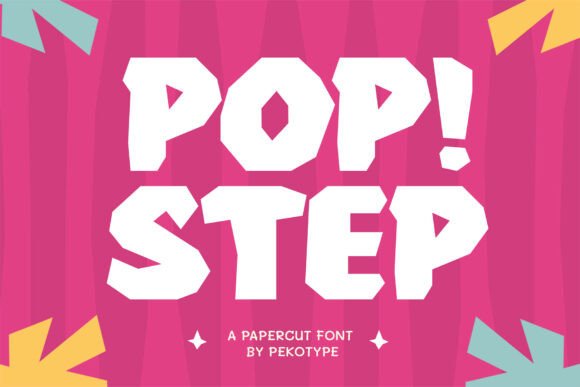
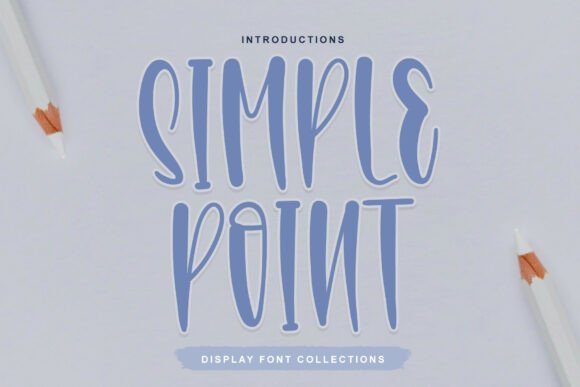
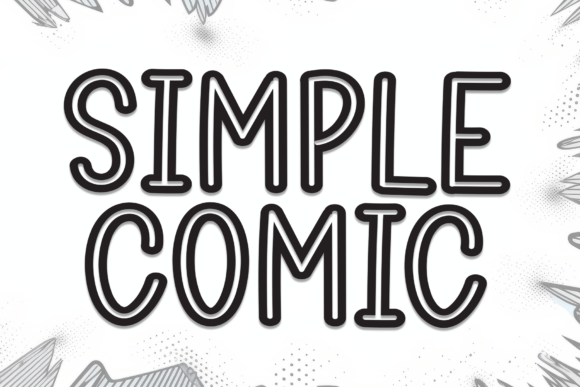
There are many display fonts on the market that aim to convey a cheerful tone, but not all are created equal. When compared to more traditional cartoon-style fonts, Toony Puff offers a more modern and cohesive design language. It avoids the overly exaggerated or inconsistent shapes that can sometimes make similar fonts feel disjointed or unprofessional.
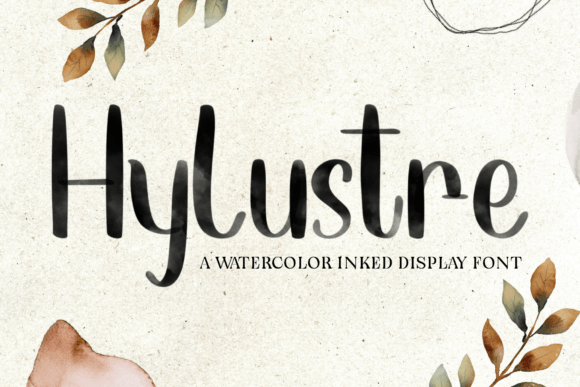
Some alternatives in this category may lean more toward a hand-drawn or irregular look, which can be ideal for organic or artisanal branding. However, Toony Puff maintains a consistent weight and rhythm across all characters, which helps it perform better in digital environments and across different mediums. This consistency can be a deciding factor for designers who need a reliable typeface for both print and web use.
Strengths and Limitations of Toony Puff
One of the main strengths of Toony Puff is its versatility within its niche. It works exceptionally well for:
- Children's book titles and covers
- Toy packaging and branding
- Party invitations and greeting cards
- Educational game interfaces
- Colorful brand identities targeting younger audiences
However, it's important to recognize that Toony Puff may not be the best fit for every project. Due to its bold and stylized appearance, it’s not well-suited for long-form body text or formal design contexts. It excels as a display font but would be impractical for use in paragraphs or professional documents.
Designers should also consider how Toony Puff fits within the broader typographic system of a project. While it can stand out beautifully on its own, pairing it with complementary fonts for subheadings or body text requires thoughtful selection to maintain visual harmony.
When Toony Puff Is the Right Choice
If your design goal is to evoke a sense of playfulness, warmth, or approachability, Toony Puff is a strong contender. It's especially effective when used in projects that require a strong visual hook and a youthful tone. For example, a toy brand launching a new line of products might use Toony Puff in its logo and packaging to create an immediate emotional connection with young consumers and their parents.
Similarly, educators or app developers creating interactive learning tools for children can benefit from using Toony Puff to make the interface more engaging and visually appealing. The font’s clear letterforms help reduce cognitive load for early readers while maintaining a fun and inviting atmosphere.
When Another Option Might Be Better
Despite its many strengths, there are situations where a different font would be more appropriate. If a project requires a more sophisticated or minimalist tone, a cleaner sans-serif or a more elegant script might be a better fit. Additionally, for brands that aim to appeal to a broad age range or maintain a more neutral visual identity, Toony Puff's playful nature could feel out of place.
Designers should also consider the technical aspects of implementation. While Toony Puff is well-suited for digital use, some alternative display fonts may offer more extensive language support or better performance in web environments. Licensing considerations may also influence the decision, particularly for commercial projects that require broad usage rights.
Real-World Applications and Practical Comparisons
Consider a scenario where a designer is tasked with creating a birthday party invitation. Toony Puff would be an excellent choice for the event title, immediately setting a cheerful and festive tone. In contrast, a more subdued font might be selected for the body text to ensure readability and balance.
In another example, a mobile game developer targeting young children might use Toony Puff for in-game text and buttons. Compared to a more generic rounded font, Toony Puff offers a more distinctive look that can help the game stand out in a crowded market. However, if the game targets older children or adults, a slightly more refined typeface might be necessary to align with the audience’s expectations.
Making an Informed Design Decision
Choosing the right font involves more than just aesthetics—it’s about understanding the context, audience, and functional requirements of a project. Toony Puff is a powerful option for designers looking to inject personality and warmth into their work, particularly when targeting younger audiences or playful themes. However, like any design tool, it has its limitations and should be used thoughtfully within a broader typographic strategy.
Before committing to Toony Puff, it's wise to test it in different contexts and compare it with alternatives to ensure it aligns with your project’s goals. Whether you're designing a logo, packaging, or digital interface, taking the time to evaluate how Toony Puff performs across mediums will help you make a more confident and effective design decision.