How the Zookeeper Font is Revolutionizing Creative Design for Kids, Crafts, and Celebrations
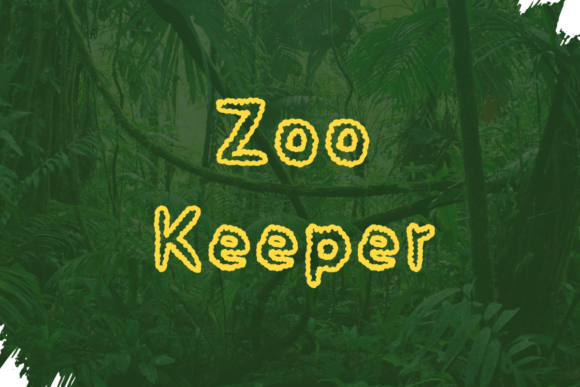
In the ever-evolving world of digital typography, designers and creators are constantly seeking fonts that offer both personality and versatility. One such standout is the Zookeeper font, a hand-drawn typeface that exudes charm and playfulness. With its spiral bubble appearance, Zookeeper has become a go-to choice for creative professionals working on projects related to children, crafts, holiday themes, and party designs. Whether you're designing a digital planner, crafting a social media post, or preparing a holiday invitation, Zookeeper brings a unique, whimsical touch that resonates with modern audiences.
What Makes Zookeeper Font Unique?
The Zookeeper font is not just another decorative typeface. It’s a carefully crafted, hand-drawn design that mimics the natural curves and irregularities of human handwriting. Its defining feature is the spiral bubble style, which gives each letter a soft, rounded appearance. This aesthetic makes it ideal for conveying warmth, friendliness, and creativity—qualities that are especially important in projects aimed at children, educators, and event planners.
Unlike traditional serif or sans-serif fonts, Zookeeper doesn't aim for precision. Instead, it embraces imperfection, which is part of its charm. This handcrafted look aligns with current design trends that favor authenticity and organic aesthetics. Whether used in print or digital media, Zookeeper maintains its visual appeal and readability, making it a versatile option for a wide range of applications.
Why Zookeeper is Gaining Popularity Among Creative Professionals
The rise of the Zookeeper font in the design community is not accidental. Several key factors have contributed to its growing popularity:
- Emotional resonance: The playful, approachable nature of Zookeeper makes it perfect for brands and creators who want to evoke joy and nostalgia.
- Adaptability: From digital illustrations on Procreate to printable party invitations, Zookeeper works seamlessly across platforms and mediums.
- Handcrafted appeal: As consumers increasingly seek authenticity in design, hand-drawn fonts like Zookeeper stand out in a sea of generic typefaces.
Designers working in niches such as children's publishing, educational content, and event planning have found Zookeeper to be an invaluable asset. Its ability to communicate warmth and creativity without sacrificing legibility has made it a favorite among freelancers, small business owners, and marketers alike.
Applications of Zookeeper in Creative and Commercial Projects
One of the most compelling aspects of the Zookeeper font is its wide range of use cases. Whether you're a graphic designer, educator, or entrepreneur, there are countless ways to incorporate this font into your work. Here are a few practical examples:
- Digital art and illustration: Many Procreate artists use Zookeeper for lettering in digital illustrations, especially for children’s books or whimsical social media content.
- Printables and planners: Digital planners and bullet journals benefit from Zookeeper’s soft, inviting look, making it ideal for headers, notes, and reminders.
- Marketing and branding: Startups and small businesses aiming for a friendly, approachable brand image often use Zookeeper in logos, social media graphics, and promotional materials.
- Event and party design: From birthday cards to holiday banners, Zookeeper adds a festive, handmade touch to any celebration-related design.
- Educational content: Teachers and curriculum creators use Zookeeper to make learning materials more engaging for young students.
These examples highlight how Zookeeper is more than just a font—it's a tool for storytelling and emotional connection. Its versatility allows it to fit into both digital and physical formats, making it a valuable asset for multi-channel branding and content creation.
How Zookeeper Fits Into Broader Design Trends
The growing popularity of the Zookeeper font is part of a larger shift in design preferences. In recent years, there has been a noticeable move away from overly polished, corporate aesthetics toward more organic, handcrafted, and emotionally resonant visuals. This trend is particularly evident in industries that rely on emotional engagement, such as education, parenting, and lifestyle branding.
Consumers today are more drawn to brands and creators that feel authentic and relatable. Hand-drawn elements like Zookeeper help bridge the gap between digital and tactile experiences, offering a sense of warmth and personalization that generic fonts often lack. This shift is also reflected in the rise of platforms like Canva, Adobe Express, and Procreate, which prioritize accessibility and creativity for non-designers.
Moreover, the increasing demand for customizable digital assets—such as those used in digital planners, social media templates, and printables—has created a need for fonts that are both visually appealing and easy to integrate. Zookeeper meets this need by offering a balance of style and functionality that aligns with modern design workflows.
Integrating Zookeeper Into Your Creative Workflow
Whether you're a seasoned designer or just starting out, incorporating the Zookeeper font into your workflow can enhance your creative output. Here are a few tips to get the most out of this versatile typeface:
- Pair it with complementary fonts: For contrast and balance, pair Zookeeper with clean sans-serif or serif fonts. This combination ensures readability while maintaining visual interest.
- Use it for headlines and accents: Zookeeper shines best when used for titles, quotes, or callouts rather than long blocks of text.
- Experiment with color and texture: Since Zookeeper has a playful aesthetic, adding color gradients or textured backgrounds can enhance its visual appeal.
- Optimize for different platforms: When using Zookeeper in digital formats, ensure it displays well on both desktop and mobile devices.
By integrating Zookeeper thoughtfully into your designs, you can create content that feels both professional and personable—qualities that are essential in today’s competitive creative landscape.
Conclusion: The Future of Zookeeper in Design and Branding
As the creative industry continues to evolve, the demand for expressive, emotionally engaging design elements will only grow. The Zookeeper font is well-positioned to remain a favorite among designers and entrepreneurs who value authenticity, playfulness, and versatility. Its ability to adapt to various creative needs—from digital art to print media—makes it a timeless asset in the toolkit of any modern creator.
Whether you're designing for kids, crafting holiday content, or building a brand with a human touch, Zookeeper offers a unique blend of charm and functionality. As more professionals recognize the value of hand-drawn aesthetics in connecting with audiences, fonts like Zookeeper will continue to shape the visual language of creativity in the digital age.