How Tendang Can Elevate Your Design Strategy and Brand Communication
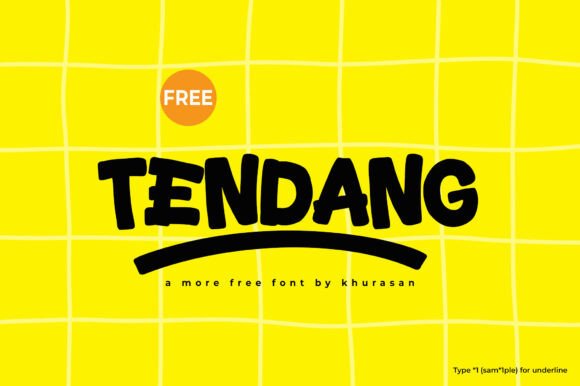
Choosing the right typeface is more than a design decision—it's a strategic move that influences how your message is perceived. Tendang stands out as a modern, cute display font that brings both personality and clarity to visual communication. Whether you're crafting a logo, designing a book cover, or preparing a marketing banner, Tendang offers a fresh aesthetic that can align with your creative and business goals.
Unlike generic fonts that blend into the background, Tendang commands attention without overwhelming the viewer. Its playful yet professional appearance makes it a versatile tool for entrepreneurs, marketers, and creators who want to communicate warmth, creativity, and modernity through their designs.
Why Tendang Works Well Across Diverse Design Projects
One of the key strengths of Tendang lies in its adaptability. It's not limited to a single use case but can be effectively applied across a wide range of design needs:
- Logos – Tendang adds charm and memorability to brand identities, especially for brands targeting younger audiences or operating in lifestyle, education, or creative industries.
- Posters and banners – Its legibility and visual appeal make it ideal for promotional materials that need to stand out in both print and digital formats.
- Magazines and book covers – Tendang introduces a contemporary flair that helps editorial content feel fresh and approachable.
- Social media graphics – When used in digital content, Tendang enhances visual consistency and brand recognition across platforms.
The font's versatility supports a cohesive design language across multiple touchpoints, which is essential for building a strong brand presence.
Strategic Considerations Before Using Tendang
While Tendang is visually appealing, its use should be guided by strategic intent rather than aesthetic preference alone. Before integrating it into your project, ask yourself:
- Does Tendang align with the brand's personality and tone?
- Will it enhance readability and user engagement in the intended medium?
- Is it being used to reinforce a specific message or emotional response?
These questions help ensure that your use of Tendang serves a clear purpose, rather than being a random design choice.
Using Tendang to Support Brand Positioning and Audience Connection
Typography plays a subtle but powerful role in how audiences perceive your brand. Tendang’s modern and approachable look can help position your brand as friendly, innovative, and design-conscious. This is particularly valuable in competitive markets where differentiation is key.
For instance, an educational brand targeting Gen Z learners might use Tendang in its course titles and promotional materials to convey a sense of fun and accessibility. Similarly, a boutique publisher might choose Tendang for book covers to appeal to younger readers who value visual aesthetics as much as content quality.
Planning Your Design Projects with Tendang
Effective design doesn't happen by accident. When incorporating Tendang into your creative workflow, consider the following steps:
- Define the objective – Know what you want to achieve with the design. Is it to inform, engage, convert, or entertain?
- Match the tone – Ensure the font complements the voice and style of your content.
- Test across formats – Preview how Tendang looks in different sizes and mediums to ensure consistency and legibility.
- Pair with complementary fonts – Use Tendang as a headline or accent font and pair it with a clean sans-serif or serif font for body text to maintain balance and readability.
By integrating Tendang thoughtfully into your design planning, you create a stronger foundation for effective visual communication.
Long-Term Value: Building a Cohesive Design Language
Design choices made today have long-term implications for brand recognition and audience trust. Tendang can contribute to a consistent visual identity when used strategically across marketing materials, digital assets, and product packaging.
Consider how major brands maintain visual consistency across years of marketing campaigns. A well-chosen font like Tendang can become part of your brand’s visual signature—especially when used in a way that supports your messaging and resonates with your audience.
Potential Risks of Misusing Tendang
Like any design element, Tendang can be misused. Overuse, poor pairing, or inappropriate context can dilute its impact or confuse your audience. For example:
- Using Tendang in formal legal documents may undermine professionalism.
- Applying it excessively in complex layouts can reduce readability.
- Choosing it without considering brand alignment may create a disconnect between your message and visual identity.
To avoid these pitfalls, always evaluate Tendang within the broader context of your design goals and audience expectations.
Practical Examples of Tendang in Action
Here are real-world scenarios where Tendang can enhance design outcomes:
- Educational apps – Use Tendang in onboarding screens or feature highlights to create a friendly, approachable interface.
- Children’s book covers – Its cute and playful nature makes it ideal for stories aimed at young readers.
- Branded merchandise – From mugs to tote bags, Tendang adds charm to product designs that reflect a brand’s personality.
- Event posters – Whether for a workshop, concert, or local fair, Tendang helps create a lively and engaging visual tone.
Each of these examples demonstrates how Tendang can be used intentionally to support specific communication goals.
Making Intentional Design Decisions with Tendang
In the world of design, intentionality is everything. Tendang should be chosen not just because it looks good, but because it supports your strategic goals. When you approach typography as a tool for communication rather than decoration, you unlock its full potential.
Before finalizing your design, ask: Does Tendang help tell the story you want to tell? Does it enhance the user experience or distract from it? Is it being used in a way that reflects your brand’s values and resonates with your audience?
Answering these questions thoughtfully ensures that your use of Tendang contributes meaningfully to your creative and business outcomes.