Zuzupongo: A Strategic Design Tool for Playful Branding and Creative Communication
When used intentionally, Zuzupongo becomes more than a decorative font—it evolves into a strategic design element that supports branding, messaging, and audience engagement. This monster-inspired typeface, with its bold, rounded forms and cheerful aesthetic, offers creative professionals a unique opportunity to communicate tone and personality through typography. Whether you're designing a children’s book, a party invitation, or a playful brand identity, Zuzupongo can help align visual language with emotional intent.
Design decisions often go unnoticed by end users, but they significantly influence perception and experience. Typography plays a critical role in shaping how audiences interpret tone, formality, and brand personality. In contexts where warmth, creativity, and accessibility are key, Zuzupongo can serve as a deliberate choice to reinforce those values visually.
Understanding Zuzupongo: Form, Function, and Emotional Impact
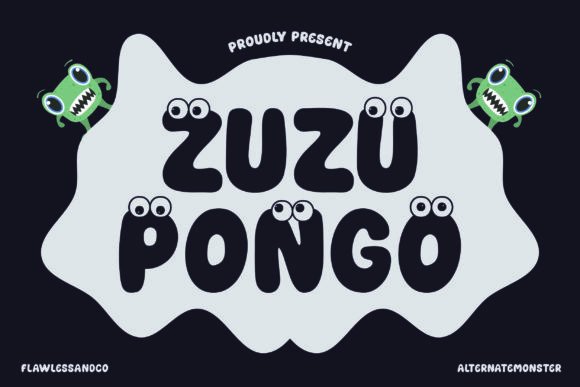
Zuzupongo stands out due to its whimsical, monster-themed design language. The font’s rounded edges, exaggerated curves, and slightly cartoonish appearance evoke a sense of fun and friendliness. While it may appear casual at first glance, this font is carefully crafted to balance playfulness with legibility, making it suitable for short-form text such as headlines, titles, and call-out boxes.
From a design psychology perspective, rounded typefaces tend to communicate approachability and openness. This makes Zuzupongo particularly effective in environments where a non-threatening, engaging tone is desired—such as educational materials, children’s content, or community-driven branding projects. When used with intention, it can help establish a visual tone that supports the emotional goals of a project.
When and Why to Use Zuzupongo in Design Projects
There are specific design contexts where Zuzupongo shines most effectively. Consider the following use cases where this font can support both aesthetic and strategic goals:
- Kids' books and educational materials – Enhances engagement through a visually inviting style that appeals to younger readers.
- Birthday invitations and party flyers – Adds a lively, celebratory tone that aligns with the event’s mood.
- Cartoon titles and animated media – Complements visual storytelling with a playful typographic voice.
- Playful branding for niche markets – Works well for brands targeting creative, youthful, or family-oriented audiences.
Each of these scenarios benefits from a design choice that supports emotional resonance. However, the effectiveness of Zuzupongo hinges on its appropriate application. It is not a one-size-fits-all solution but rather a specialized tool that should be selected based on the project’s broader strategic goals.
Planning Your Use of Zuzupongo: Alignment with Goals and Brand Identity
Before incorporating Zuzupongo into any design project, it's essential to assess how it aligns with your broader communication strategy. Typography should never be an afterthought—it should support the brand’s voice, target audience, and desired emotional response.
Ask yourself the following questions when considering Zuzupongo:
- Does the tone of this font match the personality of the brand or message?
- Is the audience likely to respond positively to a playful, whimsical typographic style?
- Will this font be used in a context where legibility and readability are maintained?
- Am I balancing this expressive font with more neutral typographic elements to maintain visual hierarchy?
Strategic font selection involves more than aesthetics—it involves understanding how typography contributes to user experience, brand perception, and message clarity. Using Zuzupongo without considering these factors can lead to inconsistent branding or miscommunication of tone.
Maximizing the Value of Zuzupongo in Creative Workflows
Integrating Zuzupongo into your design process requires thoughtful planning and an understanding of how it complements other design elements. Here are a few practical tips to help you use it effectively:
- Pair it with simpler fonts – Use Zuzupongo for headlines or accents, and pair it with a clean, readable sans-serif or serif font for body text.
- Limit its usage – Overusing expressive fonts can dilute their impact. Reserve Zuzupongo for moments where a playful tone is most needed.
- Test for legibility – Ensure that the font remains readable across different sizes and platforms, especially when used in digital formats.
- Consider color and spacing – The visual weight of Zuzupongo benefits from thoughtful color contrast and adequate spacing to avoid visual clutter.
By approaching Zuzupongo as part of a larger design system rather than a standalone element, you can ensure that it enhances rather than distracts from your message.
Potential Risks of Misusing Zuzupongo
While Zuzupongo offers a fun and engaging typographic style, using it without strategic intent can lead to unintended consequences. For example, applying it in formal business contexts or serious messaging may create a mismatch between tone and content. This misalignment can reduce perceived professionalism or confuse the intended audience.
Additionally, relying too heavily on expressive fonts can lead to inconsistent branding or visual fatigue. If every project uses Zuzupongo without consideration of context, it loses its unique impact and becomes a stylistic default rather than a meaningful design choice.
Another common pitfall is using Zuzupongo in situations where readability suffers. While it works well for short-form text, extended use in body copy or small sizes may hinder comprehension. Always test the font in the intended environment before finalizing your design.
Long-Term Strategic Value of Thoughtful Typography
Typography, including the use of expressive fonts like Zuzupongo, contributes to long-term brand recognition and audience engagement. Consistent, intentional use of type builds visual identity and reinforces brand personality over time. By making deliberate choices about when and how to use Zuzupongo, designers and creators can build stronger connections with their audience while maintaining clarity and professionalism.
As part of a broader design strategy, fonts like Zuzupongo offer more than visual appeal—they provide a means of expressing tone, emotion, and brand values through typography. When used with care, they become part of a larger narrative that supports communication goals and enhances the overall user experience.
Conclusion: Using Zuzupongo with Purpose and Precision
Zuzupongo is more than a novelty font—it's a creative tool that, when used strategically, can elevate design projects with a sense of joy and approachability. Whether you're crafting a children’s book, designing a birthday invitation, or developing a playful brand identity, this font can help reinforce the emotional tone of your message.
The key to success lies in using Zuzupongo with intention. Understand your audience, align the font with your brand’s personality, and ensure that it enhances rather than overwhelms your design. By integrating it thoughtfully into your creative process, you’ll not only create visually engaging content but also build stronger, more meaningful connections with your audience over time.