Stamped: The Bold Font for Impactful Design
When it comes to making a visual statement, typography plays a critical role. Stamped is a distinctive font that combines strength, texture, and authenticity to give your work a powerful industrial edge. Whether you're designing t-shirts, posters, or product labels, Stamped delivers a look that's both rugged and refined.
What Makes Stamped Unique
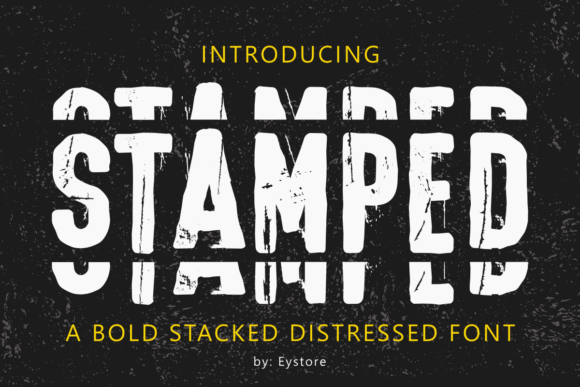
Stamped stands out due to its bold, stacked appearance and scratch-textured finish. It mimics the appearance of a classic rubber stamp or letterpress print, offering a tactile quality that digital fonts rarely achieve. This texture adds depth and character, making every word feel like it was pressed into the page by hand.
The font's stacked style gives it a dimensional quality, which works especially well in headlines and logos. Unlike flat or minimalist fonts, Stamped commands attention without being overly aggressive. It’s a versatile choice that balances rawness with professionalism, making it suitable for a wide range of applications.
Key Characteristics of Stamped
- Bold and Stacked – The layered appearance adds visual weight and dimension.
- Scratch Textures – Realistic distressed surfaces for an authentic, handcrafted look.
- Industrial Aesthetic – Evokes the feel of traditional printmaking techniques.
- High Readability – Despite its textured look, Stamped remains clear and legible at various sizes.
Why Stamped Works for Designers
Designers often seek typefaces that can communicate strength and authenticity. Stamped delivers both in a way that's visually engaging and functionally sound. It’s particularly effective when used in branding or packaging that leans into vintage or artisanal themes.
One of the main strengths of Stamped is its adaptability. It works well in both print and digital formats. Whether you're creating a logo for a new coffee brand or designing a poster for a local event, Stamped brings a tactile, memorable presence to your work.
Practical Applications Across Industries
Stamped's versatility makes it a strong choice for a variety of design environments. Here are a few examples of how it can be applied effectively:
Streetwear and Apparel
In the world of fashion, especially streetwear, typography is a key branding tool. Stamped’s bold, textured look works well on t-shirts, hoodies, and patches. It gives apparel a rugged, urban edge that appeals to younger audiences and street culture enthusiasts.
Vintage Product Labels
For brands aiming to evoke nostalgia or artisanal craftsmanship, Stamped is ideal. It enhances the visual appeal of wine bottles, craft beer labels, and specialty food packaging. The distressed texture mimics old-world printing methods, making products feel more authentic and handmade.
Poster and Print Design
Whether you're creating a gig poster or a print advertisement, Stamped ensures your message stands out. Its industrial feel pairs well with grunge, punk, or retro design themes, making it a favorite among illustrators and graphic designers working in alternative aesthetics.
Digital Branding and Web Design
While Stamped is often associated with print, it also works well in digital spaces. When used sparingly in web headers or promotional banners, it adds a strong visual anchor to your layout. Just be sure to pair it with clean, minimalist fonts to maintain balance and readability.
Benefits of Using Stamped in Your Projects
Incorporating Stamped into your design workflow offers several practical advantages:
- Brand Differentiation – Its unique texture helps your brand stand out in a crowded market.
- Emotional Connection – The handcrafted appearance evokes a sense of authenticity and nostalgia.
- Visual Hierarchy – Due to its boldness, Stamped works well as a headline font to guide viewer attention.
- Effortless Integration – It pairs easily with sans-serif or clean serif fonts for a balanced typographic system.
How to Use Stamped Effectively
Like any strong design element, Stamped works best when used thoughtfully. Here are a few tips to ensure it enhances your design rather than overwhelms it:
- Limit Its Use – Use Stamped primarily for headlines, logos, or call-to-action buttons. Avoid using it for body text where readability is key.
- Pair With Simpler Fonts – Combine Stamped with cleaner typefaces like Helvetica or Roboto to create contrast and balance.
- Consider Backgrounds – Because of its textured look, Stamped works best on solid or lightly patterned backgrounds. Avoid complex or busy backgrounds that may compete with the font.
- Test at Different Sizes – While Stamped looks great large, it may lose clarity at very small sizes. Always test how it appears across different formats and devices.
Choosing Stamped for Your Next Project
When selecting a font for a design project, consider the tone and message you want to convey. Stamped is ideal for brands and creators who want to project strength, authenticity, and a touch of vintage charm. It’s especially well-suited for those in the lifestyle, fashion, food, and creative industries.
If you're looking to differentiate your brand visually, Stamped can be a powerful ally. Its textured, stacked appearance adds a layer of depth that few other fonts can match. Whether you're launching a new product line or redesigning your website, incorporating Stamped can help you create a lasting impression.