Smile Back: The Retro-Inspired Display Font Captivating Designers Across Industries
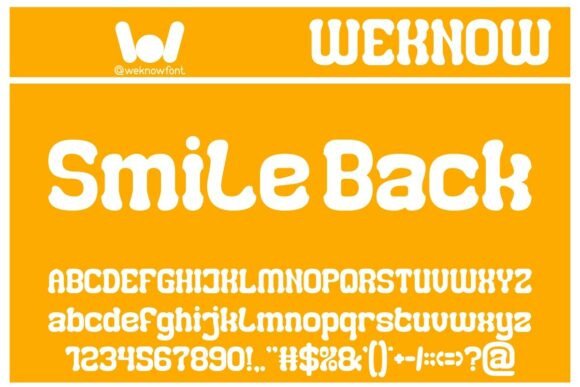
In a digital landscape increasingly dominated by sleek minimalism and sans-serif neutrality, a refreshing trend is emerging: the return of expressive, personality-driven typography. Enter Smile Back, a display font that effortlessly blends retro charm with modern versatility. With its rounded edges, bubbly contours, and pop-fancy styling, Smile Back is more than just a typeface—it’s a design companion that infuses warmth, playfulness, and nostalgia into a wide range of creative projects.
What Makes Smile Back Stand Out?
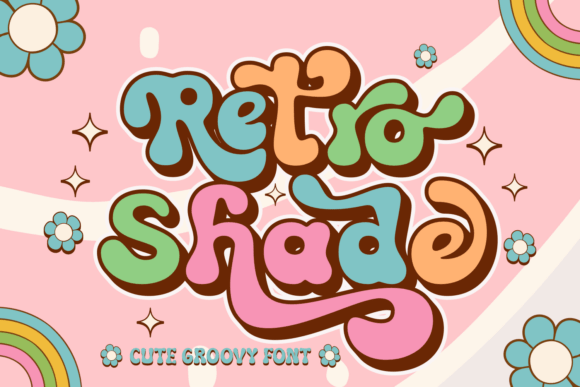
At first glance, Smile Back exudes a sense of joy and approachability. Its rounded letterforms and smooth curves evoke the aesthetics of the 1960s and 1970s, reminiscent of vintage signage, comic books, and classic album covers. But beneath its retro surface lies a carefully crafted design that balances whimsy with legibility, making it ideal for both print and digital applications.
Unlike generic script or display fonts that lean too heavily into ornamentation, Smile Back maintains a clean, structured foundation. This allows it to stand out without overwhelming the message it conveys. Whether used in a logo, a headline, or as part of a branding suite, Smile Back commands attention while remaining accessible and readable.
A Font for the Modern Creative Landscape
The rise of Smile Back is not just about aesthetics—it reflects broader shifts in how professionals and creators approach design in 2025. As brands and individuals strive to differentiate themselves in an increasingly saturated digital space, typography has become a key tool for establishing identity and emotional resonance.
In particular, Smile Back thrives in industries where personality and visual storytelling are paramount. From apparel and branding to entertainment and digital media, this font has found a home in projects that seek to connect with audiences on a more human, nostalgic level.
Applications Across Industries
- Brand Identity: Smile Back’s distinctive character makes it a standout choice for logos and brand elements. Its retro vibe can help a brand feel more approachable and authentic, especially in niches like lifestyle, wellness, and indie fashion.
- Apparel and Merchandise: In the fashion world, typography is often the focal point of a design. Smile Back’s bubbly nature works exceptionally well on t-shirts, hats, and accessories, giving each piece a sense of fun and flair.
- Entertainment and Media: From movie posters to music album art, Smile Back adds a layer of visual intrigue that captures attention and sets the tone for the content.
- Web and Social Media: On digital platforms like Instagram, YouTube, and websites, Smile Back enhances visual branding and helps content stand out in crowded feeds.
Why Smile Back Is Gaining Attention Now
As design trends cycle through decades, the current moment is ripe for a resurgence of retro aesthetics. Consumers and creators alike are gravitating toward designs that feel personal, handcrafted, and emotionally resonant—qualities that Smile Back embodies.
This shift is also driven by evolving consumer expectations. In an age of algorithm-driven content and mass-produced visuals, authenticity and uniqueness have become valuable differentiators. Fonts like Smile Back allow creators to inject individuality into their work without sacrificing professionalism or readability.
Moreover, Smile Back’s adaptability to both print and digital environments makes it a smart choice for freelancers, entrepreneurs, and marketers who need to maintain consistent branding across multiple platforms. Its ability to scale well on mobile devices and retain clarity at various sizes ensures that it remains effective in responsive design contexts.
Meeting the Needs of Today’s Designers
Modern designers are under pressure to deliver work that is not only visually compelling but also strategically aligned with brand values and audience expectations. Smile Back supports this by offering a blend of aesthetic appeal and functional flexibility.
For instance, in the realm of content marketing, where visual hierarchy plays a crucial role in engagement, Smile Back can be used to highlight key messages, headlines, or call-to-action elements. Its retro charm can also help brands evoke a sense of nostalgia, which has proven to be a powerful emotional trigger in consumer behavior.
Similarly, in UI/UX design, Smile Back can be employed in app interfaces or website headers to create a memorable first impression. While body text may still rely on more neutral fonts, Smile Back can be used strategically to guide the user’s attention and enhance the overall experience.
Practical Examples of Smile Back in Action
Let’s look at a few real-world scenarios where Smile Back has made a tangible impact:
- A Local Coffee Shop Rebrand: A boutique coffee shop wanted to refresh its branding to appeal to younger, design-conscious customers. By incorporating Smile Back into its logo and packaging, the shop was able to convey a sense of warmth, friendliness, and approachability—qualities that aligned perfectly with its community-focused mission.
- A Music Festival Poster: When designing promotional material for a retro-themed music festival, a designer chose Smile Back to reflect the event’s nostalgic vibe. The font’s playful curves and vintage feel helped the poster stand out and communicate the festival’s unique identity.
- An Online Magazine’s Feature Layout: For a special edition focused on 1970s culture, an editor used Smile Back in subheadings and pull quotes. The font added a thematic consistency to the layout and enhanced the editorial tone without compromising readability.
Looking Ahead: The Future of Typography and Smile Back
Typography is no longer just a supporting element in design—it’s a central component of brand strategy and digital storytelling. As tools become more accessible and design workflows more streamlined, the demand for high-quality, expressive fonts like Smile Back will only continue to grow.
Moreover, as AI and automation play larger roles in content creation, the need for human-centered design elements becomes even more pronounced. Fonts like Smile Back offer a tangible way for creators to maintain their individuality and connect with audiences on a deeper level.
For entrepreneurs and marketers, Smile Back represents more than a typographic choice—it’s a strategic asset that can elevate branding, enhance visual communication, and create a lasting impression in a fast-moving digital world.
Conclusion
In a time when design is more accessible than ever, standing out requires more than just technical skill—it demands personality, intention, and a keen understanding of audience sentiment. Smile Back delivers on all fronts, offering a unique blend of retro charm and modern functionality that makes it a valuable tool for designers across industries.
Whether you’re crafting a logo, designing a website, or creating content for social media, Smile Back invites you to embrace a more joyful, expressive approach to typography. As design trends continue to evolve, one thing is clear: fonts like Smile Back aren’t just passing fads—they’re shaping the future of visual communication.