School Handwriting: A Practical Guide to Choosing and Using This Versatile Pen Font
What Is School Handwriting and Why It Matters
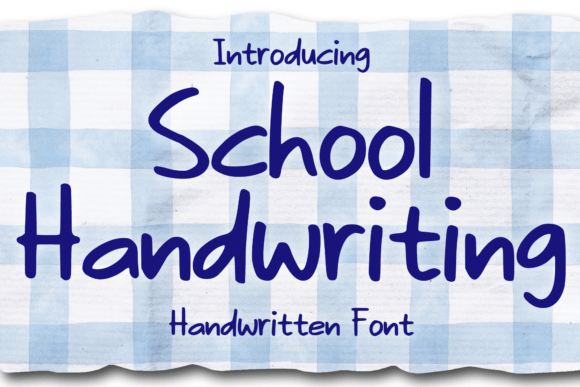
School Handwriting is a playful yet functional pen-style font designed to mimic natural handwriting. Its charm lies in its legibility and approachable aesthetic, making it ideal for school projects, creative designs, and even branding materials. Whether you're crafting a custom logo, designing a children’s book, or creating social media graphics, this font can bring a personal, hand-drawn feel to your work.
Unlike rigid, impersonal typefaces, School Handwriting adds warmth and authenticity. It's especially popular among educators, marketers, and small business owners who want to communicate sincerity and creativity without sacrificing readability. However, like any design element, it can be misused — leading to unprofessional results or poor audience engagement.
Common Mistakes When Using School Handwriting
Many users assume that because School Handwriting looks casual, it doesn’t require careful application. This mindset often leads to design missteps. Here are some of the most frequent issues and how to avoid them:
1. Overusing the Font Across All Design Elements
Just because School Handwriting is versatile doesn’t mean it should be the only font in your project. Using it for every element — from headlines to body text — can make your design feel cluttered or juvenile.
Better approach: Pair it with clean, sans-serif fonts like Arial or Helvetica for contrast. Use School Handwriting for headlines, quotes, or accents to maintain visual balance and professionalism.
2. Ignoring Licensing Details
Some versions of School Handwriting are free for personal use but require a license for commercial applications. Using it without proper permissions can lead to legal issues, especially for businesses or content creators selling merchandise.
Better approach: Always read the license agreement before downloading or purchasing. If you're unsure, reach out to the font creator or vendor for clarification.
3. Choosing the Wrong Style or Weight
School Handwriting often comes in multiple styles (regular, bold, italic) and sometimes includes alternate characters. Using a style that doesn’t match your project’s tone or purpose can reduce its impact.
Better approach: For logos or headlines, consider using a bold version. For body text or captions, stick with the regular weight to maintain clarity and flow.
Designing with School Handwriting: What to Watch Out For
Even with the right font and license, poor application can still undermine your design. Here are some overlooked details that can affect your results:
- Spacing issues: Handwritten fonts often have tighter or looser spacing than standard fonts. Adjust tracking and kerning manually for better readability.
- Color contrast: Light-colored text in School Handwriting on a busy background can become illegible. Always test for contrast and readability across different devices.
- Inconsistent sizing: Because of its cursive nature, School Handwriting may appear smaller or less dominant than other fonts at the same point size. Compensate by increasing size slightly when needed.
How to Choose the Right Version of School Handwriting
There are multiple variations of this font available online, each with slight differences in style and character sets. Not all are created equal. Here’s how to make a smart choice:
- Check for complete character sets: Ensure the font includes uppercase, lowercase, numbers, and punctuation. Missing characters can limit your design options.
- Look for stylistic alternates: Fonts with alternate characters give you more flexibility for customizing your text and avoiding repetition.
- Read user reviews: See what others say about legibility, ease of use, and compatibility across design platforms like Adobe Illustrator, Canva, or Figma.
Real-World Examples: Using School Handwriting Effectively
Let’s look at how different users can apply School Handwriting thoughtfully:
- For educators: Use it in classroom posters or handouts to create a welcoming, approachable tone. Avoid using it for long paragraphs — keep it for headings and callouts.
- For small business owners: Incorporate it into packaging labels or greeting cards to add a personal touch. Pair with a clean font for product descriptions.
- For digital creators: Use it sparingly in Instagram stories or Pinterest pins to highlight quotes or tips. Make sure it stands out against the background.
Before You Download: Key Considerations
Before you commit to using School Handwriting, ask yourself the following questions to ensure it aligns with your project goals:
- Is the font appropriate for the tone and audience of my project?
- Do I have the right license for my intended use?
- Have I tested it in different sizes and colors to ensure legibility?
- Does it pair well with other fonts I plan to use?
By answering these honestly, you’ll avoid costly revisions and ensure your design communicates exactly what you intend.
Final Thoughts: Elevate Your Design with Care
School Handwriting is a powerful tool when used correctly. It brings a human, creative energy to designs that more formal fonts simply can’t match. But like any creative choice, it requires thoughtful application.
Take the time to understand its strengths and limitations. Test it in different contexts, pair it wisely, and always consider your audience’s expectations. With a little care, School Handwriting can elevate your design from ordinary to memorable — without compromising professionalism or clarity.