Outline Style: A Modern Font for Creative Design Projects
If you're working on a design project that needs a modern, eye-catching touch, Outline Style could be the font you've been looking for. This display font blends a clean, contemporary look with a hint of playfulness, making it ideal for a wide variety of visual applications—from logos and posters to book covers and digital banners.
Why Typography Matters in Design
Typography plays a crucial role in how your audience perceives your message. The right font can enhance readability, evoke emotion, and reinforce your brand identity. Outline Style stands out because it's designed to be both expressive and versatile, helping you communicate your ideas clearly without overwhelming your design.
What Makes Outline Style Unique
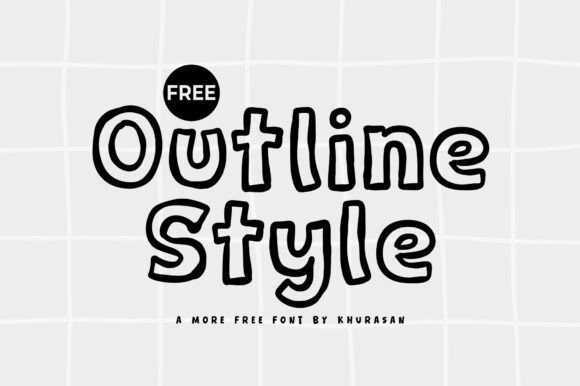
Outline Style is a modern sans-serif font with a distinctive outline design. Unlike traditional fonts, its open contours give it a light, airy appearance while still maintaining clarity and legibility. This makes it especially effective in designs where visual interest and readability must coexist.
Practical Benefits of Using Outline Style
Designers and creators often look for fonts that offer flexibility without sacrificing style. Here are some ways Outline Style can support your creative process:
- Enhances Visual Hierarchy: Its bold yet elegant outline helps headlines and key text stand out without being overpowering.
- Works Across Mediums: Whether you're designing a digital banner or a printed magazine layout, this font adapts well to different formats.
- Simplifies Design Decisions: With its clean aesthetic, Outline Style pairs easily with other fonts and design elements, reducing the time spent on trial and error.
How Outline Style Supports Different Creative Goals
Creatives across industries can benefit from using this font. Here’s how different professionals might apply Outline Style to their work:
- Marketers can use it in promotional posters or social media graphics to draw attention to key offers.
- Bloggers may find it useful for featured headers or image overlays in blog post thumbnails.
- Entrepreneurs launching a new brand can incorporate it into logos or packaging for a modern, approachable look.
- Educators designing handouts or presentations can rely on its clarity to keep students engaged without visual clutter.
Designing with Outline Style: Real-World Examples
Let’s look at a few scenarios where Outline Style can make a difference:
- Book Covers: A children's book designer might use Outline Style for a title to create a fun, readable look that appeals to young readers.
- Event Posters: A designer creating a music festival poster can layer this font over bold background images to ensure readability and style.
- Brand Logos: A small business launching a boutique or creative service can use this font to reflect a modern, personable brand identity.
Who Should Use Outline Style and Why
If you're someone who values clean design with a creative twist, Outline Style is worth considering. It suits professionals who want to maintain a polished look while adding a touch of personality to their work. Whether you're a freelance designer, a small business owner, or a content creator, this font can help you achieve a more cohesive and visually appealing output.
Pairing Outline Style with Other Fonts
One of the strengths of Outline Style is its ability to pair well with other typefaces. For best results, consider combining it with simple sans-serif or serif fonts for body text. For example:
- Pair it with Montserrat for a sleek, modern design.
- Combine with Georgia for a contrast between classic and contemporary styles.
- Use alongside Lato to maintain a soft, approachable tone across your layout.
When to Consider Alternatives
While Outline Style is highly versatile, there may be situations where it's not the best fit. If your project requires a more traditional or minimalist aesthetic, you may want to explore other fonts with simpler contours. Additionally, in very dense layouts, the outline design may become less effective, so always test readability in context.
Tips for Getting the Most from Outline Style
Here are a few recommendations to help you use Outline Style effectively:
- Use it for display text, not long paragraphs, to maintain readability.
- Experiment with color—try it in bold hues or gradients for a dynamic effect.
- Adjust spacing to enhance legibility, especially in digital formats.
- Test in different formats to ensure consistency across print and screen.
Final Thoughts
Outline Style is more than just a trendy font—it's a practical tool that can elevate your design projects with minimal effort. Whether you're creating a logo, designing a poster, or building a digital banner, this font offers a fresh, modern look that supports both creativity and clarity. By understanding how and when to use it, you can make your designs stand out while keeping them functional and reader-friendly.