Howdybun: A Versatile Display Font for Creative Design Projects
Understanding the Appeal of Howdybun
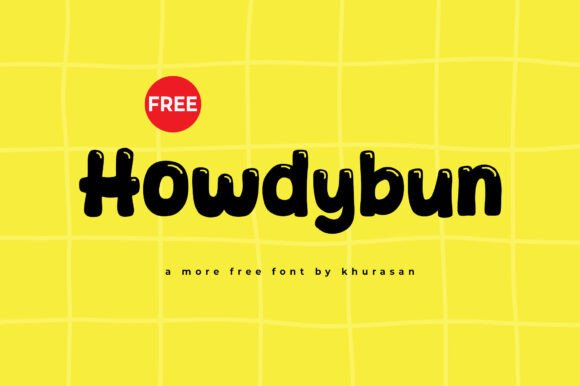
Typography plays a crucial role in visual communication, and the choice of font can significantly influence how a message is received. Howdybun stands out as a modern and cute display font that brings a unique charm to design projects. Its clean lines and friendly curves make it an ideal choice for designers looking to add a touch of personality without sacrificing readability.
Unlike generic sans-serif or serif fonts, Howdybun is specifically crafted for display use, meaning it shines brightest when used in larger sizes. Whether it's on a poster, a logo, or a book cover, this font has the ability to draw attention and create a lasting impression. Its design balances aesthetic appeal with functionality, making it suitable for both digital and print media.
Key Characteristics of Howdybun
Every font has its own personality, and Howdybun is no exception. It features rounded edges and a slightly playful structure that gives it a youthful and approachable vibe. The spacing between characters is carefully adjusted to ensure legibility, even when used in dynamic compositions.
- Modern Aesthetic: Combines contemporary design elements with a soft, inviting look.
- High Readability: Optimized for clarity at a glance, especially in titles and headers.
- Versatile Styling: Works well across a wide range of themes, from whimsical to minimalist.
These features make it particularly effective in branding and editorial contexts where tone and emotion are as important as the message itself. Designers often use Howdybun when they want to evoke warmth, creativity, or a sense of nostalgia without appearing outdated.
Applications Across Design Industries
The adaptability of Howdybun makes it a valuable asset in various design fields. Here’s a look at how different industries can benefit from integrating this font into their visual strategy:
Logo Design
Logos require a balance of uniqueness and clarity. Howdybun’s distinct character shapes allow for the creation of memorable brand identities. It’s especially effective for brands targeting younger audiences or those with a playful, creative image. Whether used alone or paired with a more structured secondary font, it adds a touch of individuality.
Poster and Banner Design
When designing posters or banners, the goal is often to grab attention quickly. Howdybun’s bold and expressive nature makes it ideal for headlines and call-to-action text. Its visual appeal ensures that key messages stand out, whether in a café event poster or a digital advertisement.
Editorial and Publishing
Book covers, magazine headers, and children’s publications often rely on typography to set the tone. Howdybun brings a sense of fun and creativity to editorial layouts. It’s especially popular in lifestyle, fashion, and youth-oriented publications where a modern yet approachable aesthetic is desired.
Web and App Interfaces
While primarily a display font, Howdybun can be effectively used in web headers or mobile app titles. Its legibility and character spacing make it readable on screens, contributing to a cohesive and appealing user interface. When used sparingly, it enhances the visual hierarchy without overwhelming the design.
Pairing Howdybun with Other Fonts
Typography pairing is essential for creating visual harmony in design. Howdybun works best when contrasted with simpler, more neutral fonts. Here are some effective combinations:
- With Sans-Serif Fonts: Pairing Howdybun with clean sans-serif fonts like Helvetica or Open Sans creates a balanced look. The contrast between the playful display font and the minimalist body text enhances readability and visual interest.
- With Serif Fonts: For a more classic or elegant design, combining Howdybun with serif fonts like Georgia or Playfair Display can yield a sophisticated yet modern aesthetic.
- Monospaced Fonts: In tech or coding-related designs, pairing Howdybun with a monospaced font like Fira Code or Courier New adds a creative twist to otherwise technical layouts.
Experimenting with font weights and sizes can further enhance the overall design. For instance, using a bold version of Howdybun for headlines and a light sans-serif for body text ensures visual hierarchy and clarity.
Why Choose Howdybun Over Other Display Fonts?
In a market flooded with decorative and script fonts, Howdybun distinguishes itself through a combination of usability and charm. Many display fonts sacrifice readability for style, but Howdybun maintains a careful balance. This makes it more practical for a broader range of applications compared to overly stylized alternatives.
Additionally, its modern design language ensures it doesn’t feel out of place in contemporary design trends. Whether used in branding, advertising, or editorial design, it offers a fresh alternative to more traditional display fonts while still maintaining a sense of familiarity.
Accessibility and Readability Considerations
While Howdybun is highly readable in large sizes, it’s important to consider its use in different contexts. As with any display font, it’s not recommended for long blocks of body text. Instead, it should be reserved for headlines, titles, and short text elements where visual impact is the priority.
Designers should also be mindful of color contrast when using Howdybun, especially in digital formats. Ensuring sufficient contrast between the text and background improves accessibility and ensures that the message is clear to all users, including those with visual impairments.
Incorporating Howdybun into Your Design Workflow
Integrating Howdybun into a design project is straightforward. It is typically available in common font formats such as TTF and OTF, making it compatible with most design software including Adobe Photoshop, Illustrator, InDesign, and Figma. Additionally, it can be embedded into websites using @font-face CSS rules, provided licensing allows for web use.
For those new to typography, starting with pre-designed templates that include Howdybun can help visualize how it works within a layout. From there, experimenting with spacing, color, and font pairings can lead to more personalized and impactful designs.
Real-World Examples of Howdybun in Action
Many independent creators and small businesses have embraced Howdybun for branding and promotional materials. For example, boutique coffee shops have used it in their logo and social media graphics to convey a warm, welcoming atmosphere. Similarly, children’s book authors have found it effective in cover design, where it contributes to a playful and engaging first impression.
In the digital space, web designers have incorporated Howdybun into landing pages and app interfaces to create a visually appealing hierarchy. Its use in headlines and feature text helps guide the user’s attention and enhances the overall aesthetic of the site or application.
Final Thoughts on Using Howdybun
Typography is more than just choosing a font—it’s about crafting a visual voice for your message. Howdybun offers a compelling blend of modern design and approachable charm, making it a versatile option for designers across industries. Whether you're working on a personal project or a professional brand identity, incorporating Howdybun can elevate your design and help your message resonate more deeply with your audience.