Drooma: A Refined Display Font for Modern Design Projects
Elegant Simplicity in Typography
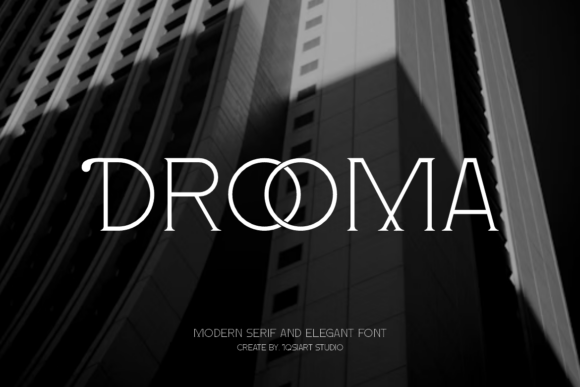
In the world of typography, where clarity and visual impact are paramount, Drooma stands out as a thin display font that balances elegance with modern minimalism. Its clean structure and delicate strokes make it a compelling choice for designers seeking to convey sophistication without overwhelming the viewer. Unlike bolder or more decorative fonts, Drooma maintains a subtle presence, allowing other design elements to complement rather than compete.
Key Characteristics That Define Drooma
At its core, Drooma is defined by its refined curves and sleek letterforms. Each character is crafted with attention to proportion and balance, contributing to a font that feels both graceful and functional. The light structure of the typeface enhances its airy aesthetic, making it particularly well-suited for projects where visual breathing space is essential.
- Delicate strokes that maintain legibility without appearing fragile
- Refined curves that add a touch of softness without compromising modernity
- Consistent spacing that supports readability even in larger point sizes
Practical Applications for Drooma
While Drooma may appear fragile at first glance, its design makes it surprisingly versatile in the right contexts. It excels in environments where a premium aesthetic is desired but not overbearing. For instance, fashion branding benefits from Drooma’s clean and contemporary look, especially in logo treatments or editorial layouts. Similarly, luxury packaging can leverage its refined appearance to communicate exclusivity and taste.
Designers have also found success using Drooma in invitations and event branding, where a minimalist yet elegant typographic approach is preferred. It works particularly well in digital formats too, such as editorial headlines on websites or in digital magazines, where legibility and style must coexist.
Performance in Real-World Design Scenarios
When evaluating a font like Drooma, it’s important to consider how it holds up in actual use. Because of its thin weight, Drooma performs best at larger sizes—ideal for headlines, titles, and short text blocks. It’s not recommended for body copy or small-scale print, where its lightness may compromise readability.
From a technical standpoint, Drooma demonstrates strong consistency across formats, whether used on screen or in print. Its vector-based structure ensures that it scales well without distortion. Additionally, its character set is well-rounded, supporting a range of international characters and typographic symbols, which is a boon for global brands or multilingual projects.
Who Benefits Most from Using Drooma?
Professionals in fashion, lifestyle, and luxury sectors will find Drooma most aligned with their brand identities. It’s particularly useful for graphic designers, brand strategists, and creative directors who are looking to elevate visual communication with a modern, understated font.
Entrepreneurs launching premium product lines, bloggers curating high-end content, and small business owners aiming for a polished online presence can also benefit from Drooma’s aesthetic. It pairs well with minimalist layouts, clean photography, and muted color palettes, making it a smart choice for those who want their typography to enhance rather than dominate their visual narrative.
Professional Observations and Use Cases
Many designers appreciate how Drooma strikes a balance between being distinctive and approachable. It doesn’t scream for attention but instead invites the viewer into a more refined visual experience. For example, a boutique skincare brand used Drooma across its packaging and website headers, resulting in a cohesive and upscale identity that resonated well with its target audience of conscious consumers.
However, it’s important to note that Drooma isn’t a one-size-fits-all solution. Its thin structure can be a limitation in high-contrast or low-resolution environments. Print designers should test it on various paper stocks and inks to ensure it maintains its intended clarity. Similarly, digital designers should consider screen resolution and viewing distance when incorporating Drooma into web or app interfaces.
Limitations and Considerations
As with any specialized font, Drooma comes with certain limitations. Due to its thin weight and minimalist design, it may not be suitable for:
- Long-form body text
- Low-contrast or small-scale applications
- Projects requiring bold visual impact
Additionally, while Drooma is elegant, it may not convey the right tone for brands that lean toward traditional or rustic aesthetics. It thrives in contemporary, sleek environments, so it’s best used where modern minimalism aligns with brand identity.
Final Thoughts: Is Drooma Right for Your Project?
If you're working on a design project that values subtlety, sophistication, and modern clarity, Drooma deserves serious consideration. It’s not just a font—it’s a carefully crafted typographic tool that brings a sense of refinement to any visual composition. Its strength lies in its ability to enhance design without overshadowing it, making it a valuable asset for professionals who understand the power of restraint in visual communication.
Ultimately, Drooma shines when used thoughtfully and contextually. Whether you're designing a fashion campaign, a luxury product label, or an editorial feature, this font offers a quiet elegance that can elevate your work and resonate with discerning audiences.