Book Camelia: A Modern Display Font for Approachable Design
When selecting a font for branding, packaging, or digital content, the tone and personality of the typeface play a crucial role in how the message is received. Book Camelia stands out as a display font that balances simplicity with warmth, offering a clean aesthetic that still feels human and inviting. Its design bridges the gap between handwritten and structured typography, making it a versatile option for designers seeking a modern yet friendly appearance.
Understanding the Design of Book Camelia
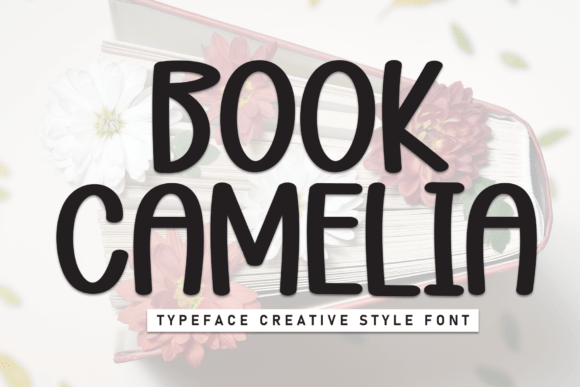
At its core, Book Camelia features clean lines, balanced letterforms, and subtle rounded edges. These characteristics give it a soft, approachable look without sacrificing readability or professionalism. Unlike many handwritten fonts that lean heavily into irregularity and organic flow, Book Camelia maintains a consistent rhythm and structure. This makes it suitable for both print and digital applications where clarity is essential but a warm tone is desired.
The font’s polished finish sets it apart from more casual or sketch-like display fonts. It avoids excessive embellishments, focusing instead on refined simplicity. This makes it especially effective in environments where a modern aesthetic is preferred, but the design still needs to feel personable and accessible.
How Book Camelia Compares to Similar Fonts
In the category of casual display fonts, several alternatives exist, each with its own strengths and tradeoffs. Some fonts lean heavily into script styles or mimic brush lettering, which can add flair but may reduce legibility in certain contexts. Others maintain a strict geometric structure, which can feel too clinical or impersonal.
Book Camelia sits in the middle ground. Compared to more stylized handwritten fonts, it offers greater consistency and readability. Compared to rigid sans-serif or serif display fonts, it introduces a sense of warmth and approachability. This balance makes it particularly effective in branding and marketing materials where the goal is to communicate professionalism with a friendly tone.
Key Features of Book Camelia
- Subtle Rounded Edges: Softens the overall look while maintaining structure.
- Even Letter Spacing: Enhances readability across different sizes and platforms.
- Pure, Unadorned Forms: Avoids excessive decoration for a modern, minimalist appeal.
- Versatile Weight Options: Adaptable to both headings and subheadings depending on design needs.
When Book Camelia Excels
Book Camelia shines in design contexts that benefit from a warm yet professional tone. For example:
- Branding and Logos: Especially for lifestyle, wellness, or creative brands where a human touch matters.
- Packaging Design: Adds a friendly, inviting presence on product labels and packaging materials.
- Digital Content: Works well in web headers, social media graphics, and email marketing where readability and tone are both important.
Designers who want to avoid the overly formal feel of traditional serif fonts or the excessive looseness of script fonts often find Book Camelia to be a balanced alternative. It’s especially useful when the goal is to project both modernity and approachability.
Considerations and Tradeoffs
While Book Camelia has many strengths, it may not be the best fit for every project. For instance, in highly formal or technical contexts—such as legal documents, academic publishing, or corporate reports—it may lack the gravitas of more traditional typefaces. Similarly, if the design requires a strong visual contrast or a vintage, rustic, or highly stylized aesthetic, other fonts may serve the purpose better.
Another consideration is the font’s intended use. While it performs well in headlines and display settings, using it for long-form body text could compromise readability, especially in smaller sizes or on low-resolution screens. Designers should test the font in various environments to ensure it meets the specific needs of their project.
Real-World Examples
Consider a local coffee shop looking to rebrand. If the goal is to convey a sense of community, warmth, and modern simplicity, Book Camelia would be an excellent choice for the logo and packaging. It would feel more approachable than a strict sans-serif and more polished than a freehand script.
In contrast, a financial services firm aiming to project authority and trust might find Book Camelia too informal for its branding needs. In that case, a more structured serif or classic sans-serif font would likely be a better fit.
Alternatives to Consider
Depending on the specific design goals, other font categories may offer better alignment. For example:
- Brush Script Fonts: Ideal for expressive, handcrafted designs but may sacrifice readability.
- Geometric Sans-Serifs: Offer a modern, minimal look but can feel impersonal if not paired with warmer design elements.
- Classic Serifs: Provide a timeless, authoritative presence but may not convey the same friendliness or warmth.
Each of these options has its own strengths, and the decision should be based on the tone, medium, and audience of the design. Book Camelia is particularly effective when the design needs to strike a balance between contemporary and personable.
Deciding If Book Camelia Is Right for You
Choosing the right font involves more than just aesthetics—it’s about matching the tone of the design with the intended message. If your project benefits from a clean, modern look with a friendly undertone, Book Camelia is worth considering. It works especially well in branding, packaging, and digital design where clarity and warmth are both important.
However, if your design requires a more formal, dramatic, or historically rooted typographic style, you may want to explore alternatives. The key is to evaluate how well the font aligns with the brand personality, audience expectations, and functional requirements of the project.